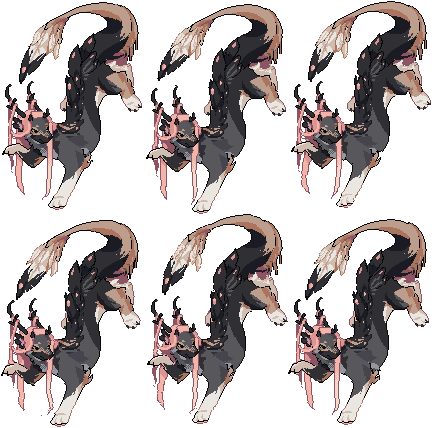
Across Shengdao, the clothing of the Shiji Long changes with the land itself. Each region has shaped its own aesthetic through climate, tradition, and the influence of sleeping elders deep beneath the soil. Clothing is more than protection, it is identity, heritage, and a quiet conversation with the spirits of one’s home. Because clans hold deep cultural and ancestral significance, most Shiji incorporate their clan symbols into their attire. These marks may appear as embroidered crests along hems, tiny amulets tied to sashes, stamped metal pieces sewn into collars, patterned cords worn at the wrist, or subtle color combinations reserved for certain bloodlines. Even far from home, a Shiji’s heritage is recognized instantly by these signs, a comfort to travelers and a reminder of responsibility.
Coastal Regions & Aquatic Settlements
Warm winds, thick humidity, and salt-heavy storms shape the clothing of the coast. Aquatic Shiji spend much of their time near or in the water, so garments must withstand soaking, diving, and constant movement. Tops are tight-fitted to the torso with reinforced stitching, while trousers cling just enough to avoid drifting during dives. Many wear layered belts with carved hooks for tools, nets, or shells. Outer garments are often short: cropped jackets, sleeves tied back with cord, or half-cloaks treated with oil to repel water. During storms, hooded capes made from heavily waxed cloth protect against wind and spray. Everyday colors are sea-born, deep teal, storm-gray, driftwood brown, while ceremonial clothing often glows with bright turquoise, wave-silver, or coral red. Jewelry is functional and sea-resistant. Necklaces of polished shell discs, bracelets of braided seagrass, anklets strung with tiny bells to signal one’s presence underwater. Status is shown through rarer materials: deep-sea black pearls, carved coral pieces, and mother-of-pearl hairpins shaped like wave spirits. Children often wear small “first dive charms,” tiny carved fish tied to their belts for good luck.
Mountain Regions & Highland Slopes
Highland clothing reflects a life lived close to clouds and stone. Strong winds require garments that trap warmth but allow movement, so Shiji wear layered robes with wide sleeves that flutter dramatically when walking along ridges. The flowing nature of the fabric helps regulate temperature, and long inner wraps protect from cold stone surfaces. Colors reflect the mountainscape, slate gray, pine green, mist white, with brighter accents on festival days, such as sky-blue sashes or bright leaf-green ribbons tied to belts. Sashes often display clan symbols or blessings from local sky-spirits. Footwear is sturdy but flexible, often reinforced with woven rope for grip on crags. Highlanders frequently wear thick wrist cuffs embroidered with charms to protect them during climbs. Jewelry is light but meaningful: stone beads carved from river-polished pebbles, wind-chime metal pendants that ring softly in gusts, and cloud-shaped pins worn at the shoulder. During the Clifftop Resonation festival, people add thin ribbons bearing messages, allowing the wind to “read” their intentions.
Volcanic and Magma-Rich Regions
Life near lava flows demands resilience. Clothing here is sturdy, layered, and heat-resistant, designed to protect from sparks, falling ash, and sudden eruptions. Tunics are made from thick treated cloth, often reinforced with hardened leather along the arms and torso. Chain-like mineral fibers woven into outer layers provide additional protection against heat and sharp obsidian fragments. Common outfits include sleeveless jackets for mobility, bracers covering forearms, and boots with stone-hard soles. Many wear protective neck coverings to shield against ash clouds, and masks carved from leather or volcanic glass for breathing during eruptions. Colors reflect the land: ember red, soot black, golden ash, lava orange. Jewelry is bold, shards of cooled magma wrapped in metal wire, molten-glass beads that shimmer like embers, thick iron rings, and layered necklaces representing resilience. Some clans craft talismans shaped like fire spirits, believed to protect against burns. Children here often receive a small piece of cooled volcanic stone at birth to tie to their clothing as a lifelong charm.
Northern Territories & Snow-Bound Regions
The far north demands warmth, durability, and clever layering. Garments are heavy with fur, lined with wool, and wrapped several times for insulation. Coats hang long, often reaching below the knees, with belts or sashes tied tightly across the waist to trap warmth. Hoods trimmed with thick fur protect the ears, and gloves are lined with soft hide. Boots are reinforced with layers of leather and wrapped with fur straps. Colors are quiet: frost gray, pine brown, glacier blue, soft white. Cold regions often embroider clothing with small patterns that look like snowflakes, stars, or wind trails. These are believed to confuse hostile winter spirits and bring good fortune. Jewelry uses warm materials: amber stones, carved bone beads, metals shaped into moons, falling snow, or sleeping-elder motifs. Many northern clans place tiny bells inside pendants so sound can help locate someone lost in a blizzard.
Tianshu & the Mainland Heart
Tianshu’s clothing captures the harmony of tradition and modern living. Long layered robes remain the foundation of ceremonial dress, with wide sleeves, crossed collars, and flowing skirts secured with intricately knotted sashes. Fabrics are soft and elegant, often dyed in lantern red, moonlight silver, frost white, or river blue.
Daily wear in the city may incorporate modern elements: shorter coats, tailored sleeves, fitted trousers, and decorative clasps inspired by ancient motifs. Wealthier families favor silken, glossy fabrics adorned with subtle embroidery depicting dragons, celestial rivers, or elder-blessed flora. Jewelry is refined and symbolic: jade-like pendants carved with mythical beasts, hairpins shaped like blooming flowers or serpentine spirits, waist chains that chime softly while walking, and metal bracelets engraved with poetry or familial blessings. Tianshu’s aristocratic clans wear their symbols prominently, often as ornate brooches or lacquered motifs sewn onto formal robes.
Temperate Farmlands & Rural Villages
The countryside’s clothing is built for daily labor: thick linen tunics, woolen skirts, sturdy trousers, and cloaks woven on local looms. Leather belts hold tools, and patches on elbows and knees are a common sign of valued garments worn for many years. Colors are modest and practical, barley gold, clay brown, forest green, river gray, but festival attire bursts with color. Villagers wear bright ribbons, patterned sashes, and embroidered vests during the Harvest Festival or Flower Bloom nights. Jewelry is humble but meaningful. Wooden pendants carved by family members, resin-encased flowers gifted between lovers, silver rings passed down through generations, and woven bracelets tied during rites of passage.
Clans use simple signs: a particular knot, a carved bead, or a patch of emblematic embroidery.
Desert Regions of the Golden Sands
The desert demands protection from sun, dryness, and sudden sandstorms. Clothing consists of long, loose wraps layered over lightweight inner garments. Robes cover the entire body to shield from heat, while wide headcloths and veils protect the face and eyes from blowing sand. Traders and travelers often wear layered scarves wrapped around the neck and shoulders for cooling and dust filtering.
Colors are pale and reflective: ivory, sandstone, faded gold, desert rose. Some clans use bold stripes or colored tassels to mark family lines. Jewelry glitters like mirages, sunbright metal, glass beads forged from melted sand, polished bones, and talismans honoring the sleeping elder beneath the dunes. Anklets with tiny bells are worn to signal one’s presence to desert spirits and to keep scorpions away. Children often wear amulets filled with protective sand gathered from sacred dunes.
Jewelry Traditions Across Shengdao
Jewelry is a constant across the land, reflecting origin, status, clan, and personal belief. Coastal jewelry is smooth and waterproof; mountain jewelry is musical; volcanic jewelry is fiery and rugged; northern jewelry holds warmth; Tianshu jewelry is artistic and delicate; rural jewelry is heartfelt and handmade; desert jewelry is bright and protective.
Wherever a Shiji travels, one can see their entire story hinted in the metal, stone, shell, or fabric they choose to wear.